EMDR
What is EMDR?
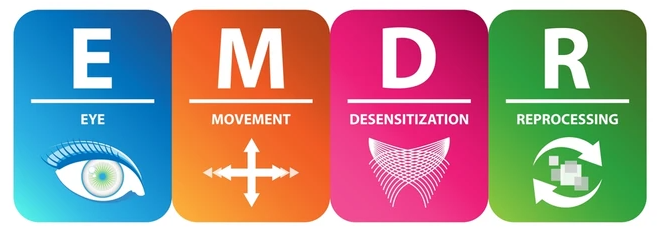
EMDR is a structured therapy that encourages the patient to focus briefly on the trauma memory while simultaneously experiencing bilateral stimulation (typically eye movements), which is associated with a reduction in the vividness and emotion associated with the trauma memories. Eye Movement Desensitization and Reprocessing (EMDR) therapy is an extensively researched, effective psychotherapy method proven to help people recover from trauma and PTSD symptoms. Ongoing research supports positive clinical outcomes, showing EMDR therapy as a helpful treatment for disorders such as anxiety, depression, OCD, chronic pain, addictions, and other distressing life experiences (Maxfield, 2019). EMDR therapy has even been superior to Prozac in trauma treatment (Van der Kolk et al., 2007). Shapiro and Forrest (2016) share that EMDR therapists in 130 countries have successfully treated millions.
EMDR therapy does not require talking in detail about the distressing issue or completing homework between sessions. EMDR therapy, rather than focusing on changing the emotions, thoughts, or behaviors resulting from the distressing issue, allows the brain to resume its natural healing process.
EMDR therapy is designed to resolve unprocessed traumatic memories in the brain. For many clients, EMDR therapy can be completed in fewer sessions than other psychotherapies.
How does EMDR therapy affect the brain?
Our brains have a natural way to recover from traumatic memories and events. This process involves communication between the amygdala (the alarm signal for stressful events), the hippocampus (which assists with learning, including memories about safety and danger), and the prefrontal cortex (which analyzes and controls behavior and emotion). While many times traumatic experiences can be managed and resolved spontaneously, they may not be processed without help.
Stress responses are part of our natural fight, flight, or freeze instincts. When distress from a disturbing event remains, the upsetting images, thoughts, and emotions may create an overwhelming feeling of being back in that moment, or of being “frozen in time.” EMDR therapy helps the brain process these memories, and allows normal healing to resume. The experience is still remembered, but the fight, flight, or freeze response from the original event is resolved.
Who can benefit from EMDR therapy?
Therapists use EMDR therapy to address a wide range of challenges:
Anxiety, panic attacks, and phobias
Chronic Illness and medical issues
Depression and bipolar disorders
Dissociative disorders
Eating disorders
Grief and loss
Pain
Performance anxiety
Personality disorders
Post-Traumatic Stress Disorder (PTSD) and other trauma and stress-related issues
Sexual assault
Sleep disturbance
Substance abuse and addiction
Violence and abuse
Experiencing EMDR Therapy
After the therapist and client agree that EMDR therapy is a good fit, the client will work through the eight phases of EMDR therapy with their therapist.
Attention will be given to a negative image, belief, emotion, and body sensation related to this event, and then to a positive belief that would indicate the issue was resolved.
A typical EMDR therapy session lasts from 60-90 minutes. EMDR therapy may be used within a standard talking therapy, as an adjunctive therapy with a separate therapist, or as a treatment all by itself.
References
Maxfield, L. (2019). A clinician’s guide to the efficacy of EMDR therapy. Journal of EMDR Practice and Research [Editorial], 13(4), 239-246.
Shapiro, F., & Forrest, M. S. (2016). EMDR: The breakthrough therapy for overcoming anxiety, stress, and trauma. Hachette UK
Van der Kolk, B.A., Spinazzola, J., Blaustein, M.E., Hopper, J.W., Hopper, E.K., Korn, D. L., & Simpson, W.B. (2007). A randomized clinical trial of eye movement desensitization and reprocessing (EMDR), fluoxetine, and pill placebo in the treatment of posttraumatic stress disorder: treatment effects and long-term maintenance. Journal of Clinical Psychiatry, 68(1),